
If you spend time in your yard, those patio cushions get used quite a bit. But when the bowing of a day is done and those cushions are thrown into a bin or piled into a corner, someone else could be moving in.
However, store these cushions wrongly, and pests may come as uninvited guests. Contacting a professional exterminator now can help you avoid a much bigger issue in the future.
Why Outdoor Cushions Are Common in Backyard Spaces?
Outdoor living is a big part of modern home culture. It is no wonder you will find backyard patios almost everywhere, designed for comfort and relaxation during pleasant weather.
In the case of outdoor furniture, residents invest in quality setups, which means cushions, a lot of cushions. This leads most families to store these cushions in deck boxes, garages, or just outside stacked up. This practice, while convenient, can unfortunately create warm, sheltered pockets that pests find extremely enticing.
Seasonal Use of Patio Furniture
Many regions experience multiple seasons, and patio furniture sees heavy use from late spring through early fall. Cushions often sit in storage for several months during the off-season, giving bugs plenty of time to settle in unnoticed.
Pests That Potentially Take Advantage of Fabric Storage Mediums
Fabric and foam-filled cushions provide comfort, but they can also become shelter and nesting material for pests. Homes located near open spaces or greenery have a higher risk of insects and wildlife entering stored items. Here is what homeowners commonly find:
Spiders: Dark, undisturbed places are ideal hiding spots, making stored cushions a perfect environment.
Earwigs and Silverfish: These pests are attracted to moisture and may gather in damp cushions after rain or watering.
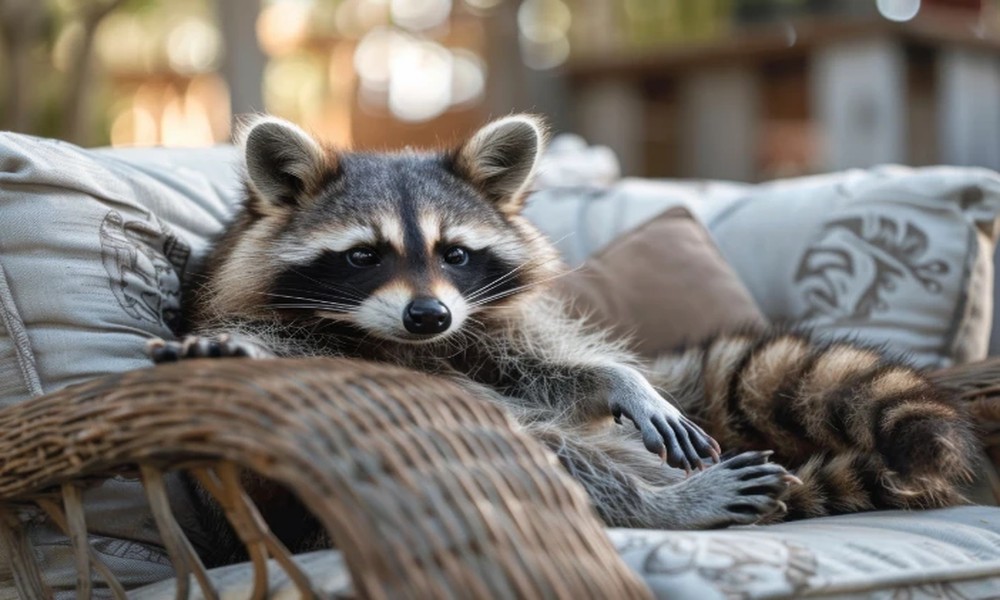
Rodents: Small rodents may burrow into foam cushions to create nests, especially in quiet storage areas.
Wasps: Paper wasps look for protected areas to build nests and are often drawn to stacked or boxed cushions.
Ants: Certain species create trails and colonies under or inside stored outdoor materials.
Factors Related to the Environment Around Homes That Affect Cushion Storage Risks
Your local climate directly affects how attractive cushion storage becomes for pests. Temperature fluctuations and environmental conditions can push insects and rodents toward warm, protected spaces.
Daytime and Nighttime Temperature Variations
Significant temperature differences between day and night can drive pests to seek insulated areas. Cushions stored in enclosed spaces provide that stability.
Exposure to Moisture from Irrigation or Weather Events
Regular watering, humidity, and rainfall can leave cushions slightly damp. This moisture creates the perfect environment for pests like earwigs, silverfish, and ants.
Proper Cushion Storage Can Help Limit Hidden Pest Harborage
If you are already seeing signs of activity, it is important to get a professional opinion. Green Mango Pest Control offers homeowners targeted, real-world solutions to handle pest issues effectively. An inspection done today to mitigate risks is always better than dealing with a full infestation later.