
Electrical systems are the backbone of modern homes and businesses, powering everything from lighting and appliances to heating and cooling systems. Over time, wiring can deteriorate, become damaged, or fail due to wear, weather, or accidents. When issues arise, understanding the process of electrical wiring repair is essential to ensure safety, efficiency, and compliance with building codes. From the initial inspection to the final completion of repairs, following a structured approach minimizes risks and ensures reliable performance for years to come.
Initial Inspection and Assessment
The first step in any electrical wiring repair project is a thorough inspection. Licensed electricians begin by evaluating the entire electrical system to identify issues, potential hazards, and areas of concern. This may involve checking circuit breakers, outlets, switches, junction boxes, and wiring connections. Inspectors also assess the condition of wiring insulation, noting any signs of fraying, corrosion, or overheating.
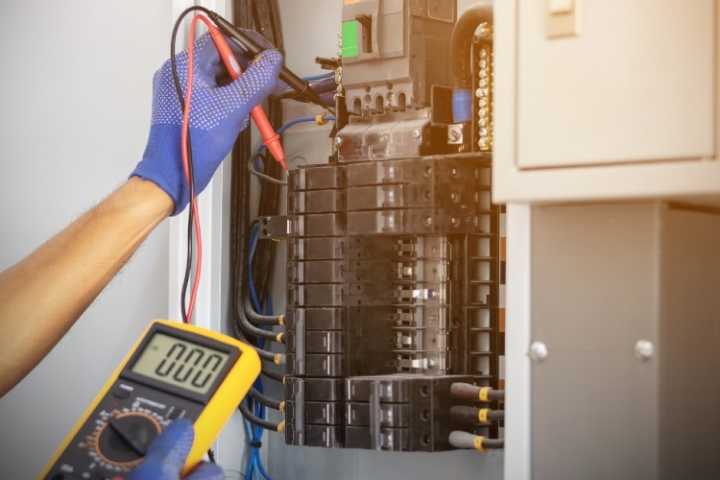
A detailed inspection helps determine the root cause of problems, which may include overloaded circuits, outdated wiring, rodent damage, or water exposure. In some cases, advanced diagnostic tools such as thermal imaging cameras or voltage testers are used to detect hidden faults that might not be visible during a basic visual assessment.
Documenting the findings is a critical part of this stage. Electricians typically provide a comprehensive report that outlines necessary repairs, recommended replacements, and potential safety concerns. This allows homeowners or business owners to make informed decisions about the scope of work, budget, and timeline for the repair process.
Planning and Preparing for Repairs
Once the inspection is complete, the next step in electrical wiring repair is careful planning and preparation. A repair plan is created that details the required materials, tools, and labor needed to complete the work safely and efficiently. This plan ensures that all necessary components, such as wire types, breakers, connectors, and conduits, are on hand before work begins.
Safety precautions are paramount during this stage. Power to the affected areas is shut off, and electricians verify that circuits are de-energized to prevent accidents. Proper labeling of wires and components also helps avoid confusion during repair, particularly in complex systems with multiple circuits.
In addition to preparing the workspace, electricians communicate with clients about the repair process. This includes expected timelines, potential disruptions to electrical service, and any additional steps required to comply with local codes or permit requirements. Clear communication ensures that property owners understand the process and feel confident in the quality and safety of the work being performed.
Execution of Electrical Wiring Repair
The core of the process is the actual repair work. Depending on the inspection findings, this may involve replacing damaged wires, updating outdated circuits, repairing outlets and switches, or installing new junction boxes. In some cases, electricians may also recommend upgrading the electrical system to handle modern power demands safely.
During the repair, attention to detail is critical. Properly connecting wires, securing conduits, and ensuring that circuits are correctly grounded are all essential steps to maintain safety and compliance. Electricians follow standardized practices and building codes to prevent hazards such as electrical fires, shocks, or short circuits.
In addition to repairs, testing is conducted at various stages to ensure functionality and safety. Circuits are checked for proper voltage, and protective devices such as circuit breakers and GFCI outlets are tested to confirm they operate correctly. This thorough approach ensures that issues are fully resolved and reduces the likelihood of future problems.
Final Inspection and Completion
After all repairs are completed, a final inspection is conducted to verify that the electrical system is safe, functional, and code-compliant. This may involve both internal checks by the electricians and, in some jurisdictions, official inspections by local authorities. Documentation of the work performed, including any parts replaced and tests conducted, is provided to the client.
The final stage also includes client education. Electricians often explain any changes made, offer maintenance tips, and provide guidance on recognizing early signs of electrical issues. This proactive approach helps property owners maintain a safe and efficient electrical system, preventing costly repairs in the future.
Understanding the process of electrical wiring repair from inspection to completion highlights the importance of professional expertise, careful planning, and adherence to safety standards. A structured approach ensures that problems are accurately diagnosed, repairs are executed effectively, and the electrical system continues to operate reliably. By choosing licensed professionals and following a systematic process, homeowners and business owners can protect their property, enhance safety, and enjoy peace of mind knowing their electrical systems are in optimal condition.