
Modern workplaces face unique challenges today. Hybrid work models blend remote and onsite schedules. This shift demands balanced spaces for focused tasks and team interaction. Cubicles offer a simple and adaptable solution. They can create defined areas within open spaces that allow concentration. Staff can complete tasks without constant distractions. At the same time these spaces can be arranged to maintain a sense of openness. Careful planning ensures a healthy mix of quiet zones and collaborative spots. This approach supports productivity and engagement in every workday.
Designing Spaces with Purpose
Hybrid offices need clear physical boundaries. Cubicles help mark specific areas for deep work. They provide privacy without isolating staff entirely. Employees can settle into these zones for tasks that require attention. Compact layouts fit easily in varied office sizes. The arrangement guides the flow of movement in a space. Strong structure improves focus and comfort. Every cubicle can support equipment and storage as needed. This setup reduces noise and visual distractions around. Balanced use of cubicles helps teams enjoy both focus and accessibility.
Balancing Privacy and Openness
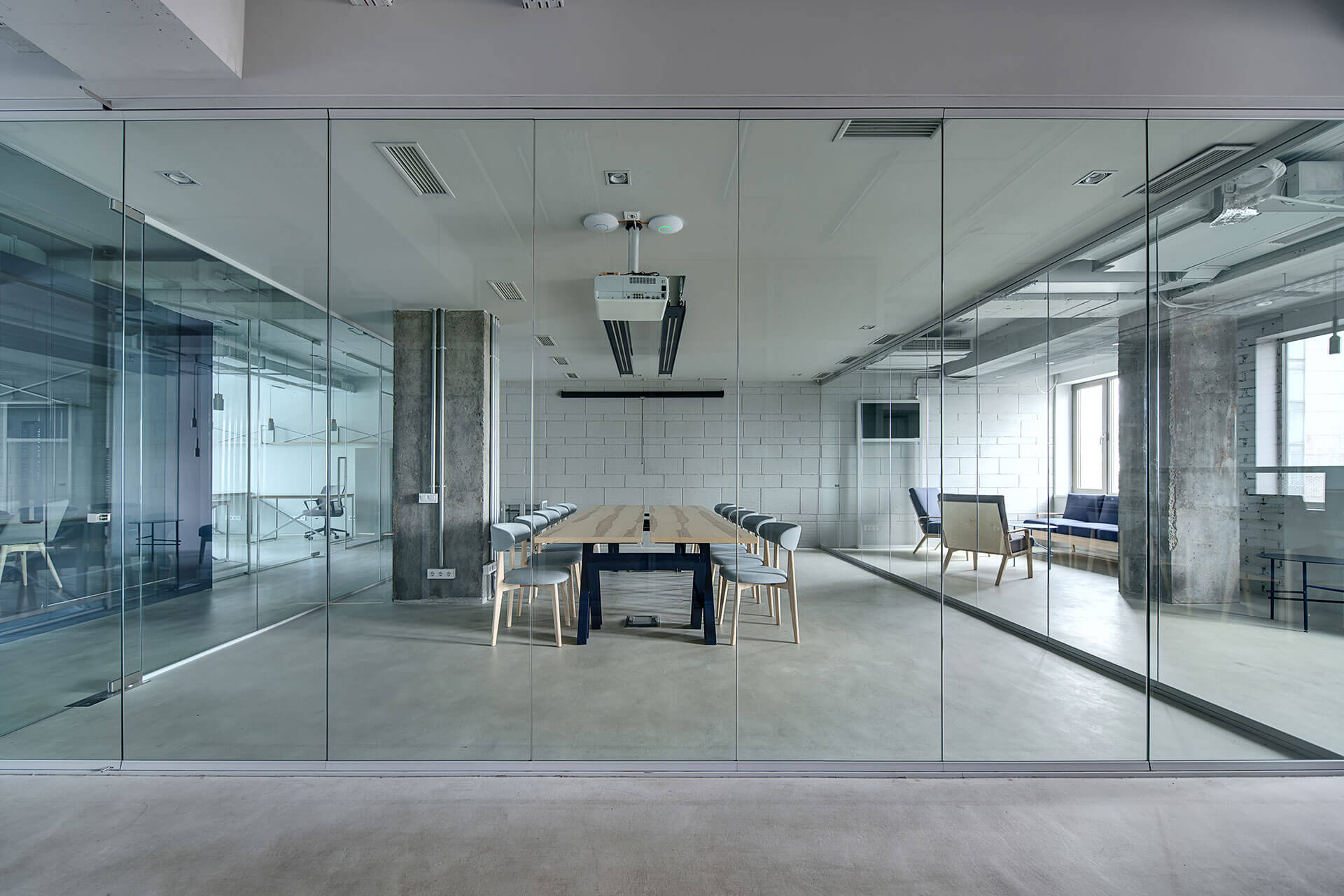
Cubicles do not have to block openness. Placing cubicles near glass office walls can keep natural light flowing. This adds brightness and reduces strain during work hours. Transparent walls provide visual connection across zones. Workers feel part of a larger environment without losing privacy. Spaces stay welcoming while focus remains possible. The atmosphere stays fresh and clear in design. This balance is essential in hybrid offices. It encourages people to switch between individual and group activities easily. Cubicles serve as anchors within this adaptable setting.
Encouraging Collaboration in Targeted Areas
Cubicles can sit alongside shared tables. This design allows quick transition between solo and team tasks. Staff can move from their focus zone to a collaborative spot without delay. Hybrid schedules benefit from this fluid movement. Teams can hold short discussions then return to individual work. The close layout reduces time lost in moving around. People stay engaged and connected through the day. Intentional placement supports both productivity and teamwork. The cubicles become part of a wider plan instead of a closed-off space. This creates more value in the workplace.
Adapting to Changing Needs
Work environments change over time. Cubicles are easy to reconfigure when demands shift. New team projects or role changes can require adjusted layouts. Mobile partitions or modular cubicles allow quick updates. This flexibility suits hybrid models well. Spaces can expand for more collaboration or tighten for high focus periods. The adaptability supports long term workplace goals. Staff can feel confident their environment will match tasks. This reduces stress and improves satisfaction levels. Cubicles remain a practical investment for evolving work needs.
Hybrid offices thrive when design meets both focus and collaboration needs. Cubicles deliver this balance through strategic placement and flexible designs. They allow quiet work without cutting off light or connection. Combined with elements like transparent walls they maintain an open feel. These spaces invite productivity and teamwork each day. As hybrid work evolves cubicles remain a steady tool. They can adapt quickly to new tasks. The result is a workplace that supports every kind of work without compromise.